Loading...
Serving East Haven, CT and surrounding areas. (475) 550-3669
Complete East Haven Concrete is a concrete contractor serving Milford, CT with parking lots, driveways, patios, retaining walls, and foundation work built for this shoreline city's coastal climate and clay-heavy soils. From Woodmont to Devon to the neighborhoods near downtown, we know Milford's housing stock and respond to every new inquiry within 1 business day.
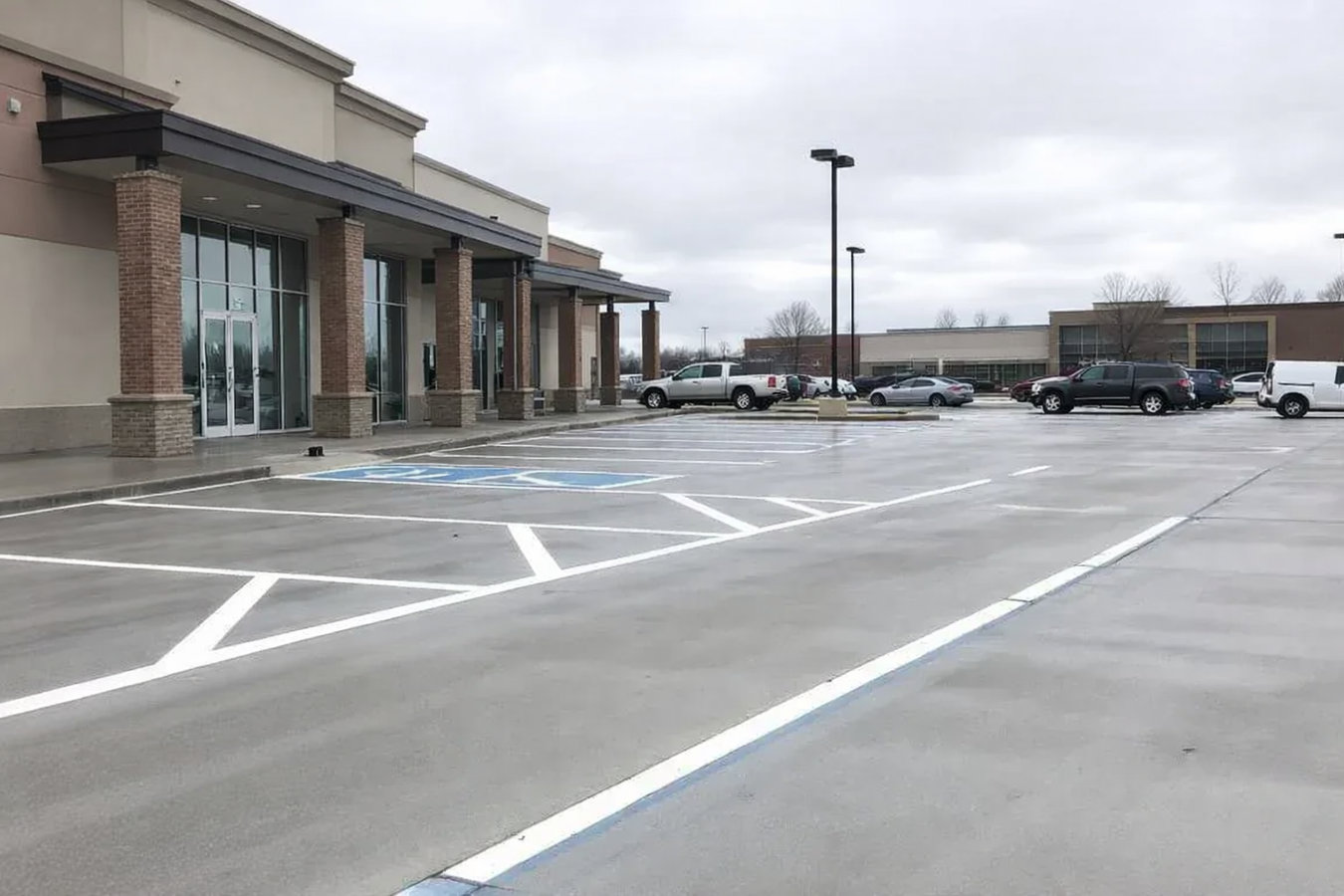
Milford has active commercial corridors along Route 1 and the Boston Post Road where business owners need durable parking surfaces that can take daily vehicle traffic without cracking at the joints or heaving in winter. Our concrete parking lot building service includes proper slope and drainage planning so water moves off the surface instead of pooling and working into the base - a critical detail in a city that sits at sea level in several neighborhoods.
Milford's postwar Colonials, Cape Cods, and split-levels mostly have original concrete driveways now 40 to 60 years old, many of which are cracked, heaved, or patched beyond what another repair can fix. Salt air from Long Island Sound accelerates surface scaling on unsealed or low-strength concrete, so replacement here requires both the right mix and a sealer designed for coastal exposure.
Milford's proximity to the water means a lot of residents spend time outdoors from spring through fall, and a concrete patio gives them a durable outdoor surface that holds up to the humidity and rain that comes with a shoreline location. Concrete does not warp, rot, or require annual staining the way wood does - a real advantage in a coastal city where moisture is a constant presence.
Properties along Milford's hillier interior streets often have grade changes that push soil toward driveways and foundations over time - a problem that worsens in the wet seasons Connecticut is known for. A properly built concrete retaining wall with drainage backfill and a frost-depth footing stops that movement permanently, unlike timber walls that lean and fail after a decade in the Northeast climate.
Milford's flood-zone properties near the Housatonic River and Long Island Sound face foundation challenges that inland homes do not - storm surge, groundwater pressure, and soil that shifts as it saturates and drains. Replacing or installing a foundation in these conditions requires proper waterproofing, correct footing depth, and drainage planning that keeps water away from the structure after the job is done.
Entry steps on Milford's older homes absorb ice-melt products every winter, and salt exposure on steps near the shoreline adds a second layer of surface stress that chips treads and crumbles edges faster than on inland properties. Replacing spalling steps with properly reinforced concrete gives homeowners a safe, durable entry that looks good in a neighborhood where curb appeal matters.
Milford has about 17 miles of coastline along Long Island Sound, and that location shapes what concrete work looks like here in ways that do not apply 20 miles inland. Neighborhoods like Woodmont, Walnut Beach, and Gulf Beach sit in or near FEMA flood zones where groundwater levels are high, soil drainage is slow, and any concrete or masonry work that does not account for moisture management tends to fail early. Salt air accelerates the scaling and spalling of concrete surfaces that are not properly sealed - a detail that matters most for properties within a few blocks of the water but affects the whole city to some degree. The converted beach cottages common in Milford's shoreline neighborhoods add another layer of complexity: many were originally built as summer structures, then winterized over the decades, and their foundations and drainage systems were not designed for year-round use.
Away from the shore, Milford's inland streets have the same freeze-thaw challenges as the rest of southern Connecticut, with clay-heavy soils that hold water against concrete slabs and foundation walls through the winter. The city's housing stock - heavily concentrated in the 1940s through 1970s range - means a large share of driveways, walkways, and foundations are at or past the end of their designed service lives. Connecticut frost depth reaches 42 inches in a hard winter, and footings set shallow to save money at the time of construction are a common source of the heaving and cracking that homeowners call about each spring. Milford also sees occasional storm surge from nor'easters and tropical storms, which leaves a legacy of foundation damage in shoreline neighborhoods that often goes properly addressed years after the event.
Our crew works throughout Milford regularly, and we understand the local conditions that affect concrete work here. When projects require permits - foundation work, retaining walls over four feet, or anything in a flood zone - we coordinate with the City of Milford Building Department before we begin, so homeowners are not caught with violations or stop-work orders mid-project.
Milford is a city most people navigate via Route 1 (the Boston Post Road) and I-95, with the historic downtown anchored by the Milford Green - one of the longest town greens in Connecticut. The residential streets spread north and south from that core, with the shoreline neighborhoods of Woodmont and Walnut Beach marking the southern boundary along Long Island Sound. Silver Sands State Park sits on the eastern shoreline and is a well-known landmark for anyone who has spent time in the city. Properties near the shore tend to be on smaller lots with older foundations, while the inland neighborhoods around Devon and the north end have more typical suburban lots with attached garages and newer construction.
Milford sits between Derby to the north and Orange to the northeast - both towns we serve regularly, so crews moving between those communities and Milford are a normal part of our schedule.
Reach out by phone or through our contact form and describe what you need - photos help if you have them. We reply to every new Milford inquiry within 1 business day and schedule a site visit from there.
We visit the property, look at the existing conditions, and check for drainage or soil issues that affect the plan. The written estimate specifies concrete PSI, slab thickness, base preparation, and any permit requirements - no vague line items.
Once you approve the estimate, we schedule the job and let you know what access we need. Most residential concrete projects in Milford take one to three days from start to finish; parking lots and foundation work take longer and we give you a realistic timeline upfront.
After the pour we walk through the finished work with you and cover curing time and care instructions. Concrete in Connecticut needs 28 days to reach full strength - we explain what that means for your use of the surface so nothing gets damaged before it is ready.
We serve homeowners and businesses throughout Milford, CT. Call us or submit your project details and we will get back to you within 1 business day with a clear, written estimate.
(475) 550-3669Milford is a city of about 54,000 people in New Haven County, sitting along Long Island Sound between New Haven and Bridgeport. It is one of the few Connecticut cities with both a historic downtown green - the Milford Green is one of the longest in the state - and direct access to the water, which gives the city a character different from its neighbors. The housing stock reflects that history: near downtown you find older Colonials and two-family homes from the early 20th century, while the inland neighborhoods have Cape Cods, ranch homes, and split-levels mostly built between the 1940s and the 1970s. Nearly 70% of Milford homes are owner-occupied, which means most residents have a long-term stake in keeping their properties in good shape.
The shoreline neighborhoods of Woodmont and Walnut Beach started as seasonal cottage communities and were converted to year-round use over the decades. Those areas have smaller lots, older foundations, and the kind of salt-air exposure that wears on exterior surfaces faster than inland. Silver Sands State Park on the eastern shoreline is a well-known landmark for locals, and the Housatonic River forms Milford's western boundary. Milford is well-connected by both I-95 and the Metro-North New Haven Line, making it a practical commuter city for people working in New Haven or Bridgeport. Neighboring West Haven to the north shares the same Long Island Sound shoreline context, while New Haven to the northeast is the regional hub most Milford residents connect to for work and services.
Coastal conditions and aging housing stock make Milford one of the busier areas we serve - call now to schedule your free on-site estimate before the season fills up.